Important Cultural Property
Illustrated Biography of Zenshin
1295 (the Kamakura Period)
The Five Volumes
Author: Text by Kakunyo
This article can be read in about 2 minutes.
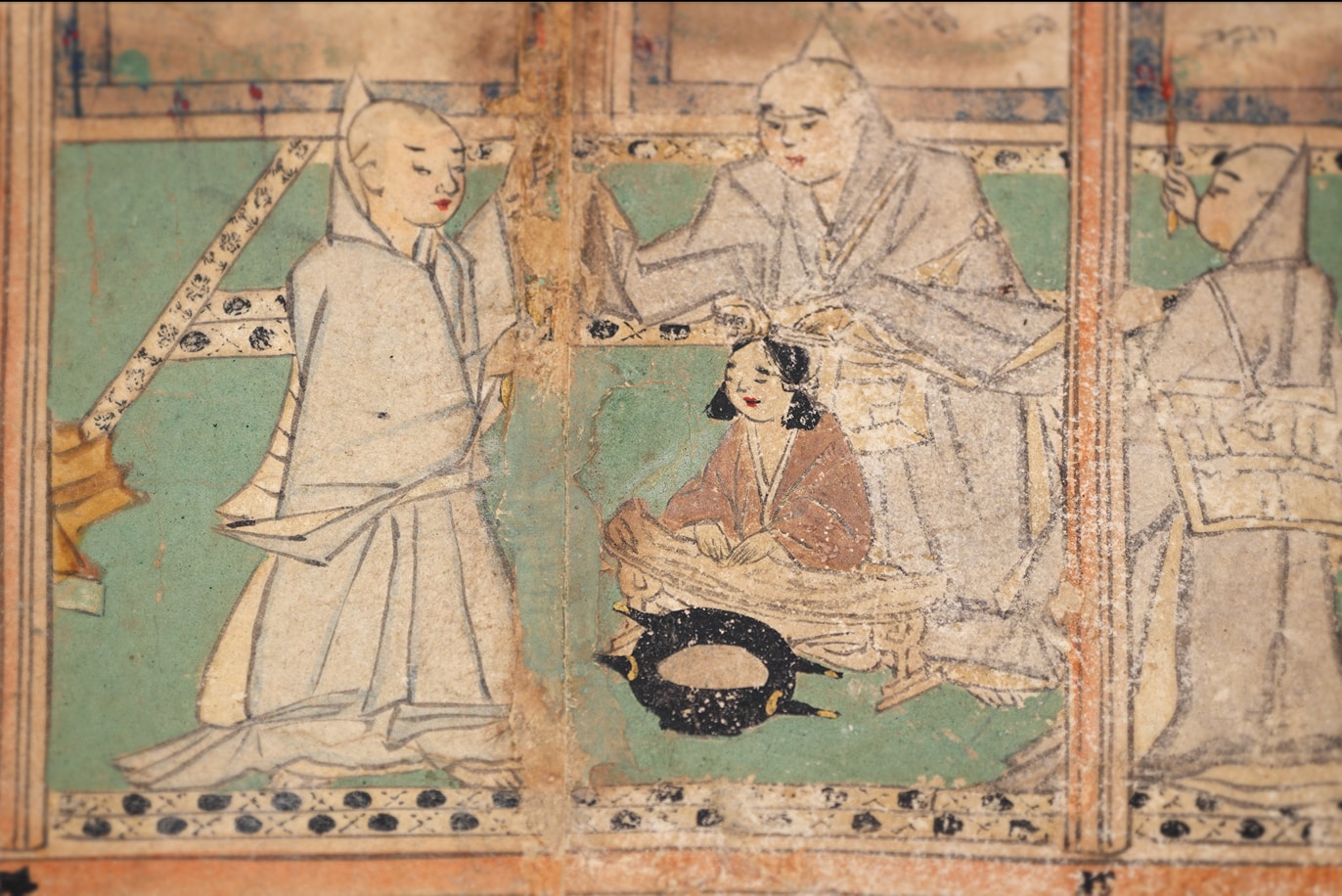
A tale of faith and everyday life
told in images and words
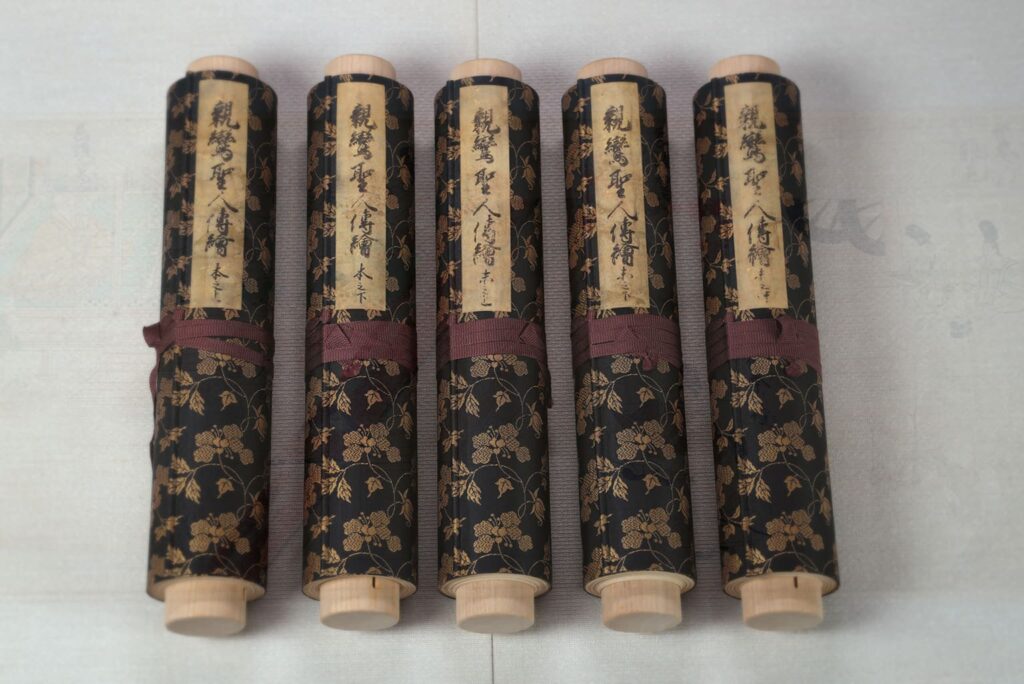
These remarkable picture scrolls illustrate the life of the venerable priest Zenshin (1173–1263), also known as Shinran. The thirteen scenes that make up the biography combine vivid imagery with explanatory text. Comprising five volumes and measuring roughly 37 meters, it is a masterpiece of Buddhist art.
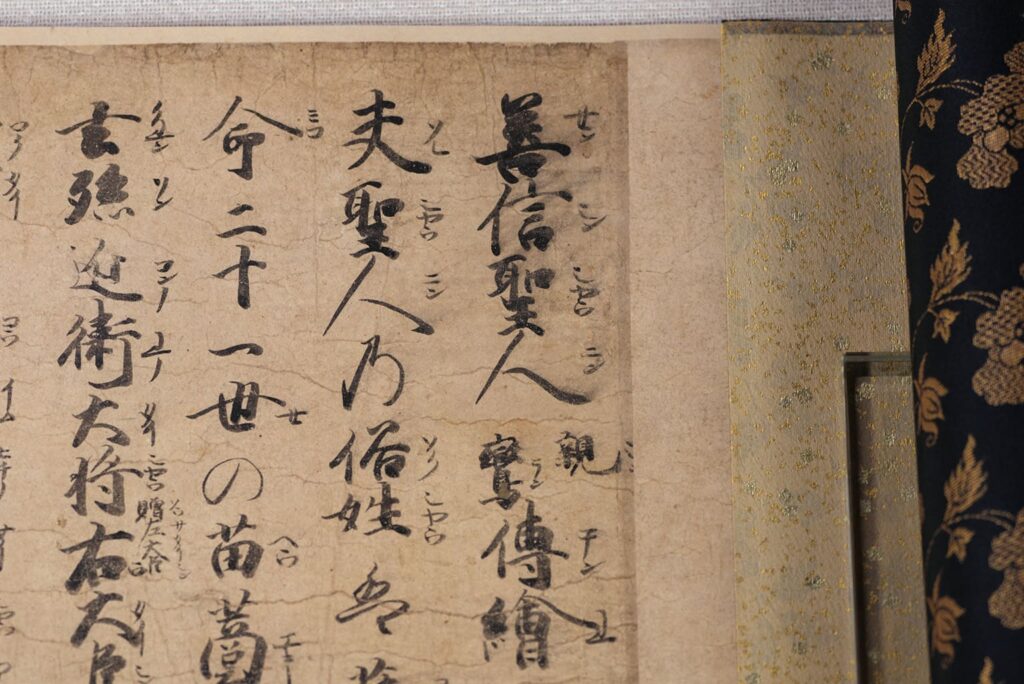
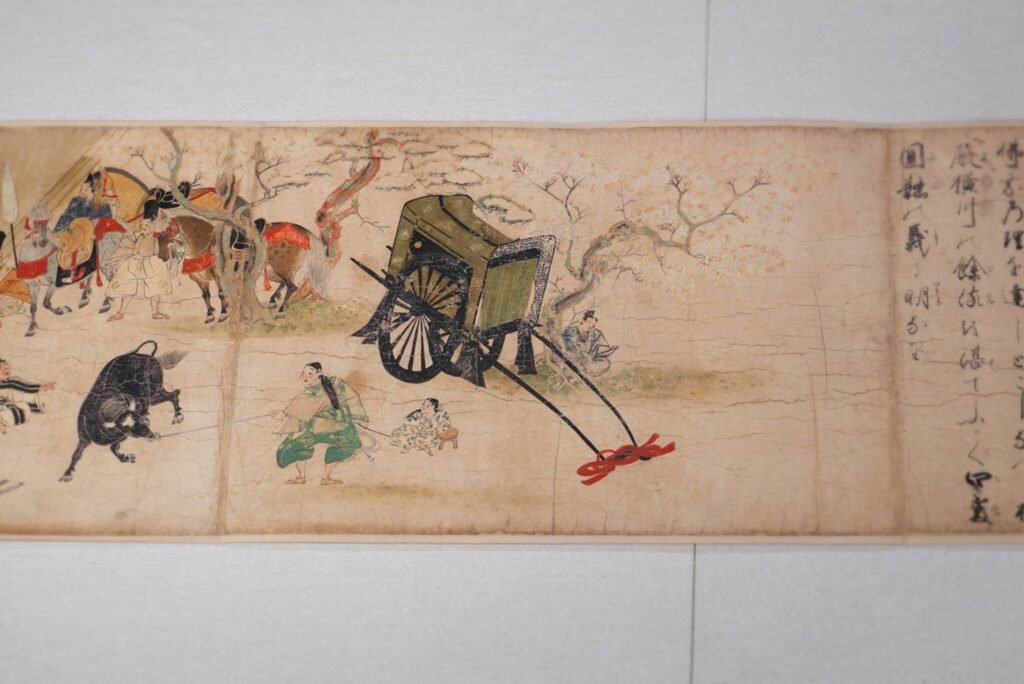
The biographical scrolls were commissioned in 1295 by Shinran’s great-grandson and one of the founders of Honganji Temple Kakunyo (1271–1351). They were created to commemorate the 32nd anniversary of Shinran’s death. Although the artist is unknown, the illustrations accompany the explanatory text depict the people, buildings, clothing, and customs in exquisite detail.
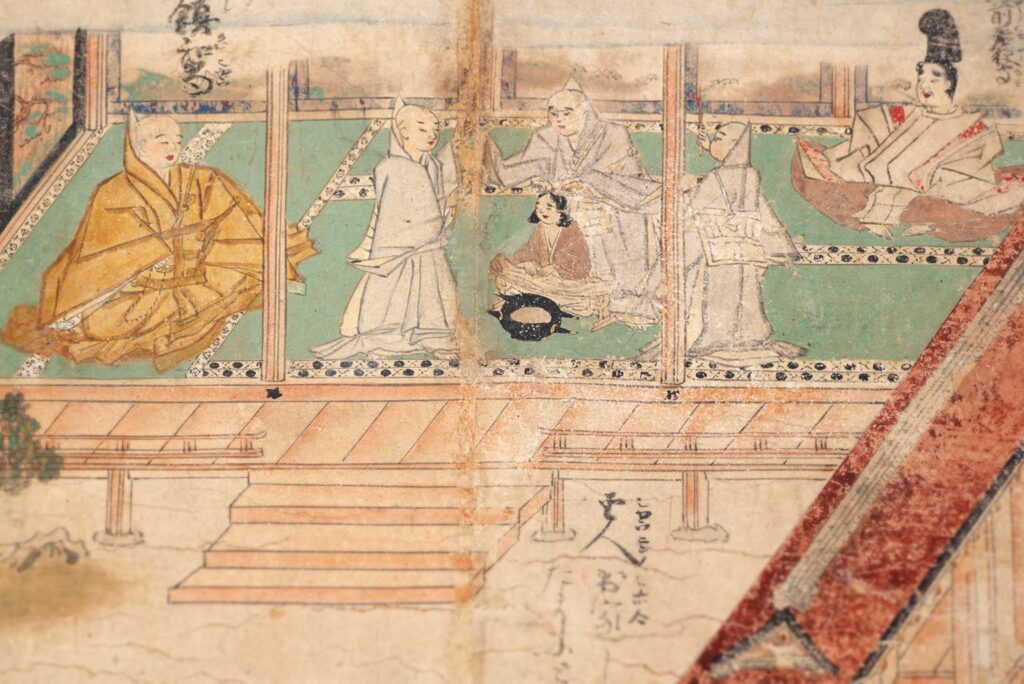
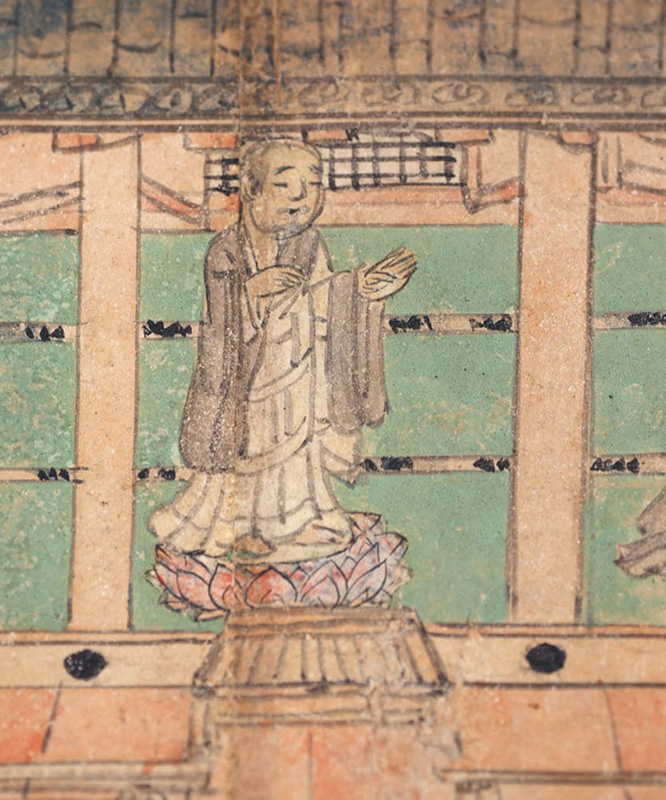
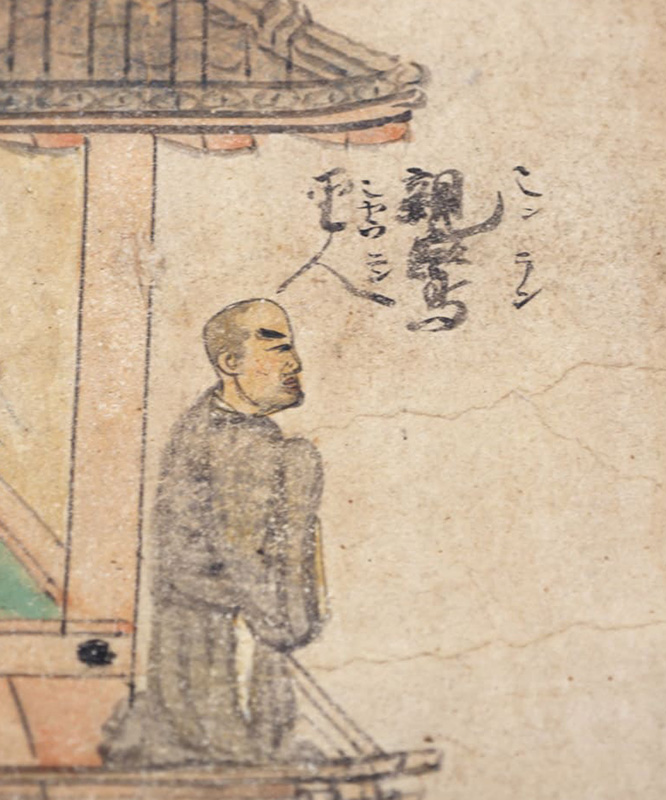
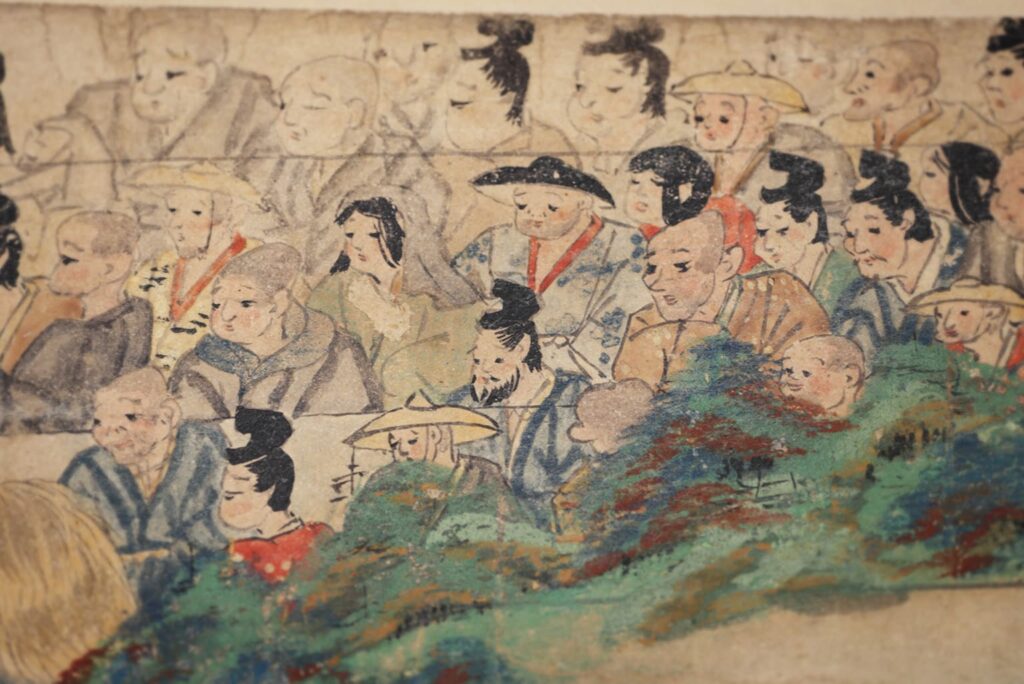
This is one of the oldest hagiographic picture scrolls still in existence. It features elements inspired by the classical Yamato-e painting style. The biography is an irreplaceable piece of Japan’s historical heritage. It offers a glimpse into the life of a major religious figure and records the culture and day-to-day life of ordinary people in the thirteenth century.
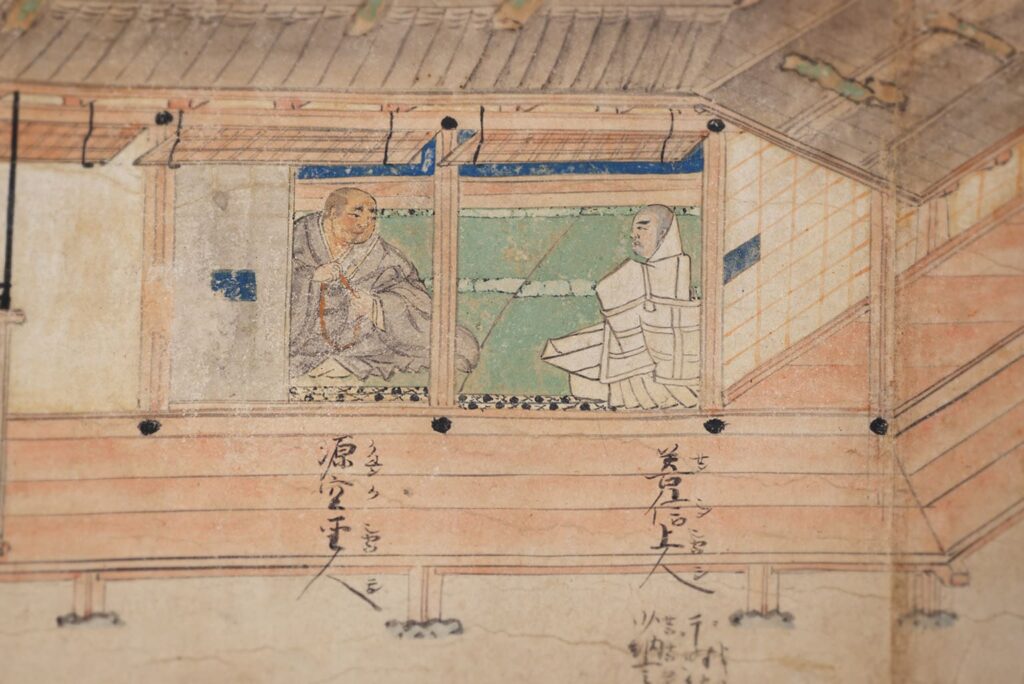
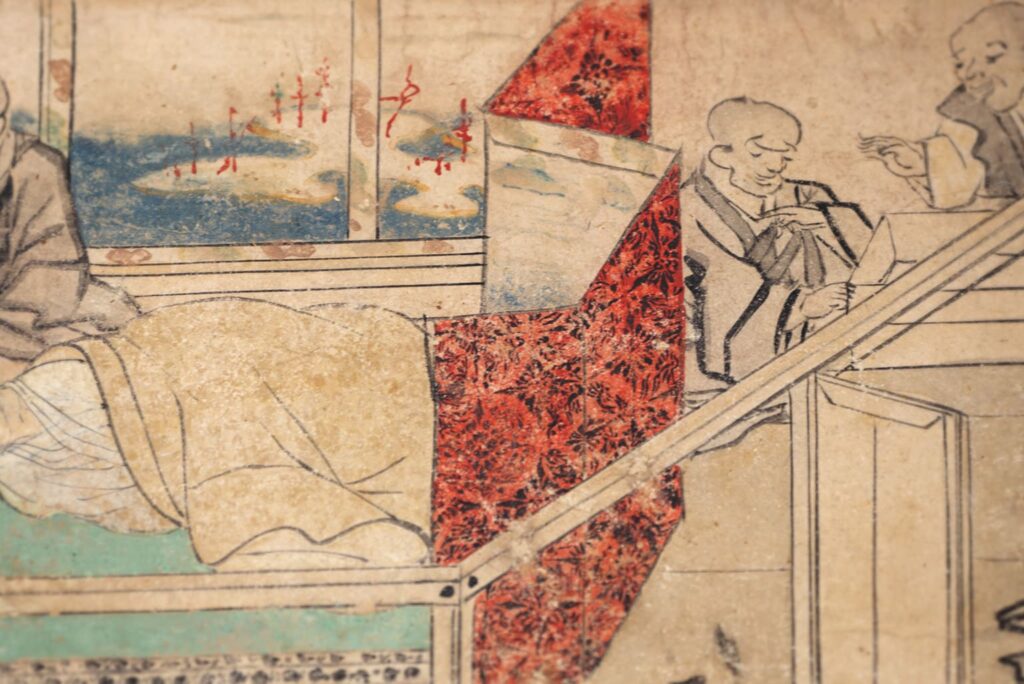
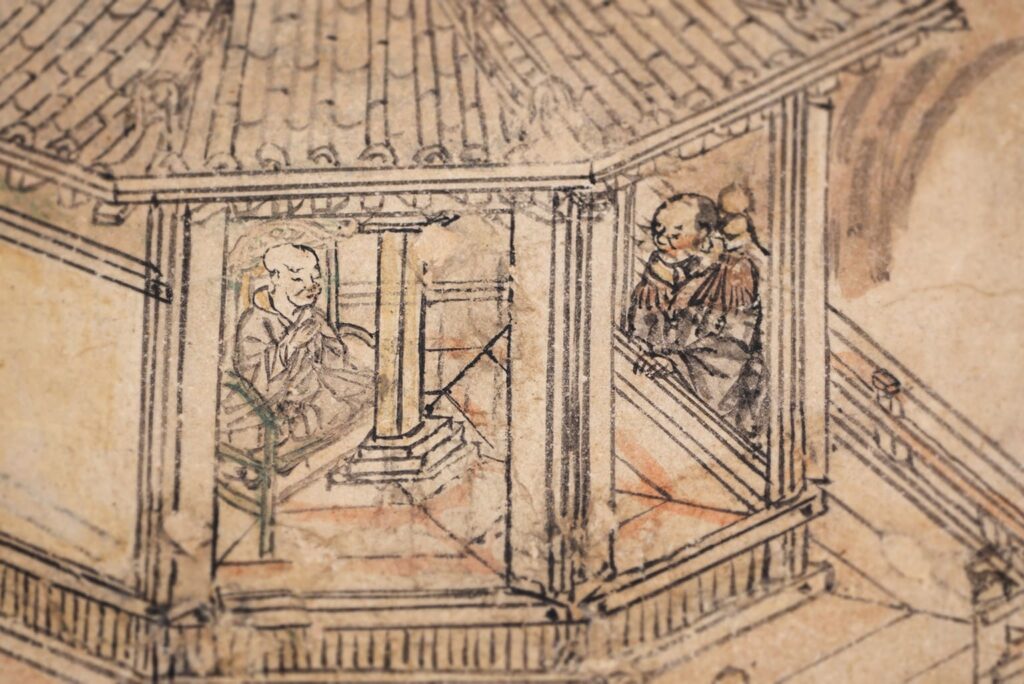
Yamato-e painting
This was a unique Japanese painting style that emerged in the Heian period (794–1185). This style depicts illustrated stories and seasonal scenes with bright colors and employs a highly decorative painting technique.
Kakunyo
Kakunyo (1271–1351) was the third head priest of Honganji Temple. He was the great-grandson of Shinran (1173–1263). He organized religious teachings and strengthened the unity of his disciples and other religious followers.
kotoba-gaki inscription
This refers to an explanation or foreword attached to the main body of works such as waka and haiku poems, tales, picture scrolls, and other written works.
Shinran Shōnin
Shinran Shōnin (1173–1263), also known as Kenshin, was the founder of the Jōdo Shinshū (True Pure Land) Buddhist sect. After undergoing ascetic training on Mt. Hiei, he studied senju nenbutsu, or the exclusive invocation of the name of the Buddha, under Hōnen (1133–1212). In 1207, he was exiled with other disciples of Hōnen by the imperial court, who feared Hōnen’s influence. Shinran performed missionary work in the Echigo and Kanto regions and expounded on faith in the buddha Amida in his magnum opus, the Kyōgyō Shinshō (Teaching, Practice, and Enlightenment). He preached salvation through faith and brought about reform to Japanese Buddhism.
MOVIE
Experience the video to get one step closer.
This video, accompanied by narration, introduces the charms of Illustrated Biography of Zenshin. Experience its charms even more deeply through the video.
Duration: (audio included)
Share on Social Media


Please respond to our questionnaire.
Estimated length: 30 seconds