Important Cultural Property
Bell Tower
1711 (the end of the Edo Period)
One-bay long structure
One-Bay Transverse Span
Single Tier
hip-and-gable style (irimoya-zukuri)
tiled roof (hongawarabuki)
This article can be read in about 2 minutes.
The Buddha’s teachings
reverberate in the stillness
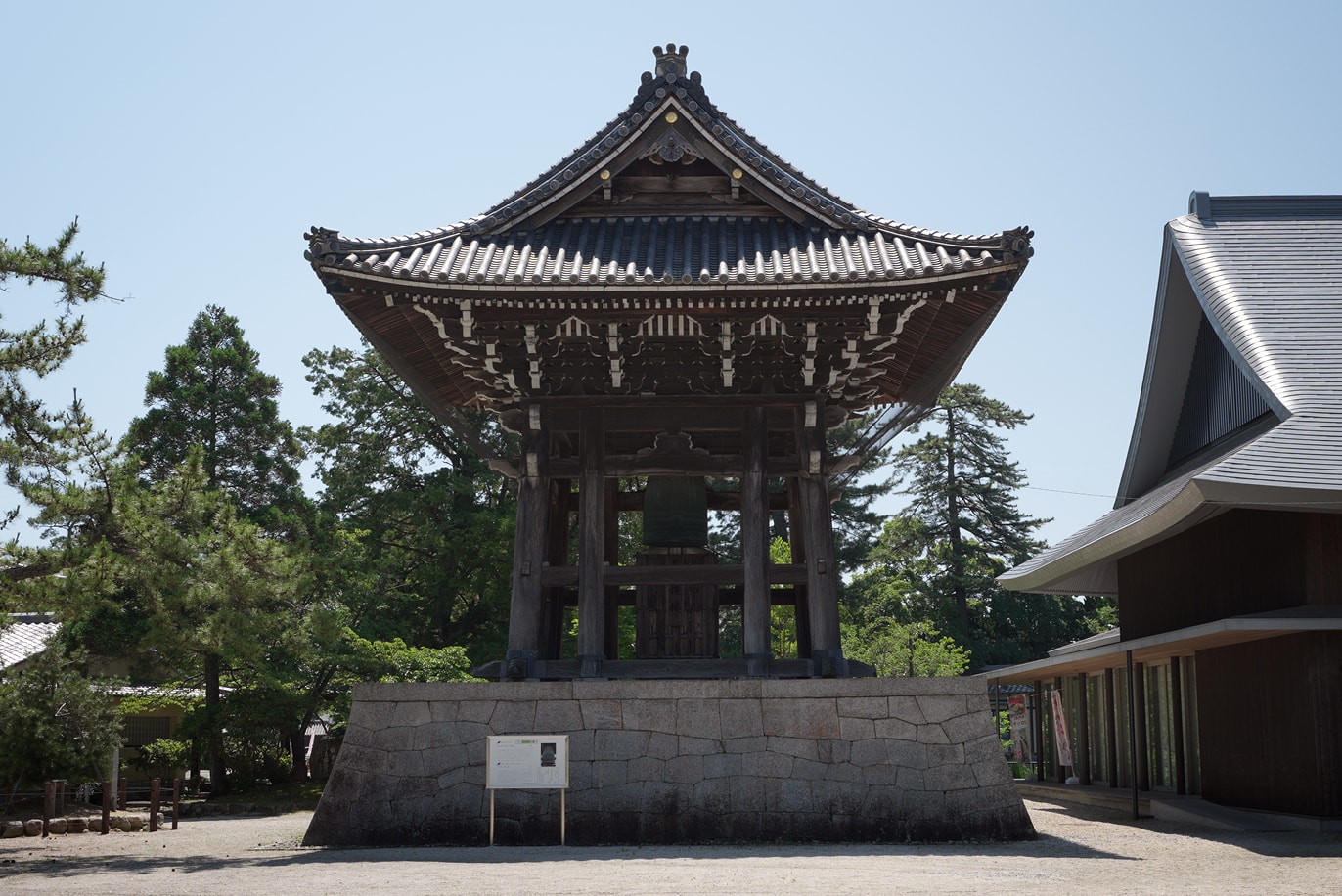
The bell tower at Senjuji is a typical Japanese Buddhist design. It is square, and 12 pillars support a heavy hip-and-gable roof. Visually it resembles the bell tower at Tōdaiji Temple in Nara, but there is no evidence of any connection during the bell tower’s construction. The tower is believed to have been completed in 1713 based on an inscription found on one of the roof tiles during a major restoration in 1993.
The temple bell was lost in the 1645 fire that devastated most of Senjuji. A new bell was cast in 1652, on the sixth anniversary of the death of Gyōchō Shōnin (1614–1646), fifteenth abbot of the temple. Gyōchō died in an act of self-sacrifice to protect the temple’s most valuable treasures. Gyōchō went to Edo (now Tokyo) to report having assumed his father’s position as head abbot of Senjuji. However, he was heavily criticized for receiving such a promotion without the permission of the shogunate. The daimyo of the Tsu domain tried to smooth things over, but the shogunate stipulated that documents written by the temple’s founder, Shinran Shōnin (1173–1263), would have to be turned over to the shogunate. To refuse was a matter of death, and Gyōchō committed seppuku in Edo at the age of 32 rather than hand over the most prized possession of the temple.
Creation of the new bell was sponsored by Gyōchō’s wife, the eldest daughter of the first daimyo of the Tsu domain, who hoped that the sound of the bell would carry her husband’s memory in every direction. She commissioAned the bell from Tsuji Echigo no Kami Shigetane (dates unknown), a master craftsman from Tsu domain.
The bell is rung every morning at 6:30 and before services in the Mieidō.
Gyōchō Shōnin
Gyōchō (1614–1646) was the fifteenth head priest of Senjuji Temple, the head temple of the Jōdo Shinshū Takada sect. The loss of several important temple buildings in a devastating fire and intense pressure from the shogunate pushed Gyōchō to suicide in an attempt to save the fate of the temple. His wife was Takamatsu-in (dates unknown), also known as Princess Ito, the eldest daughter of the daimyo Tōdō Takatora (1556–1630).
Todai-ji
Built in the Nara period (710–794) and located in Nara, Tōdaiji Temple is the head temple of the Kegon (Huayan) sect of Buddhism. It was built by decree of Emperor Shōmu (701–756). The temple’s principal image is a very large statue of Rushana Buddha (Vairocana).
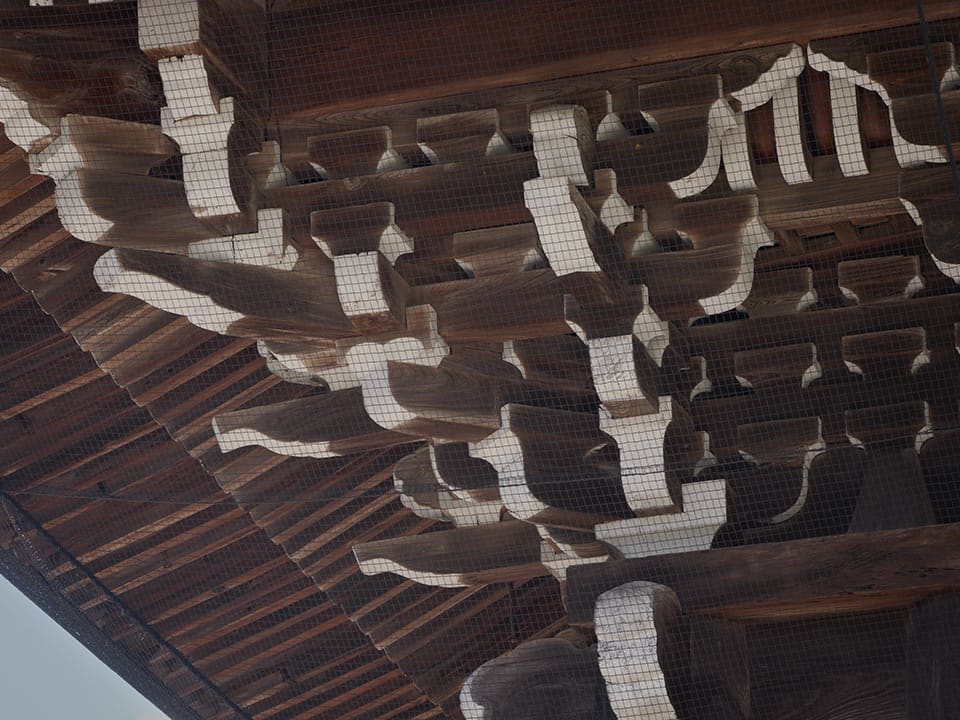
hijiki bracket
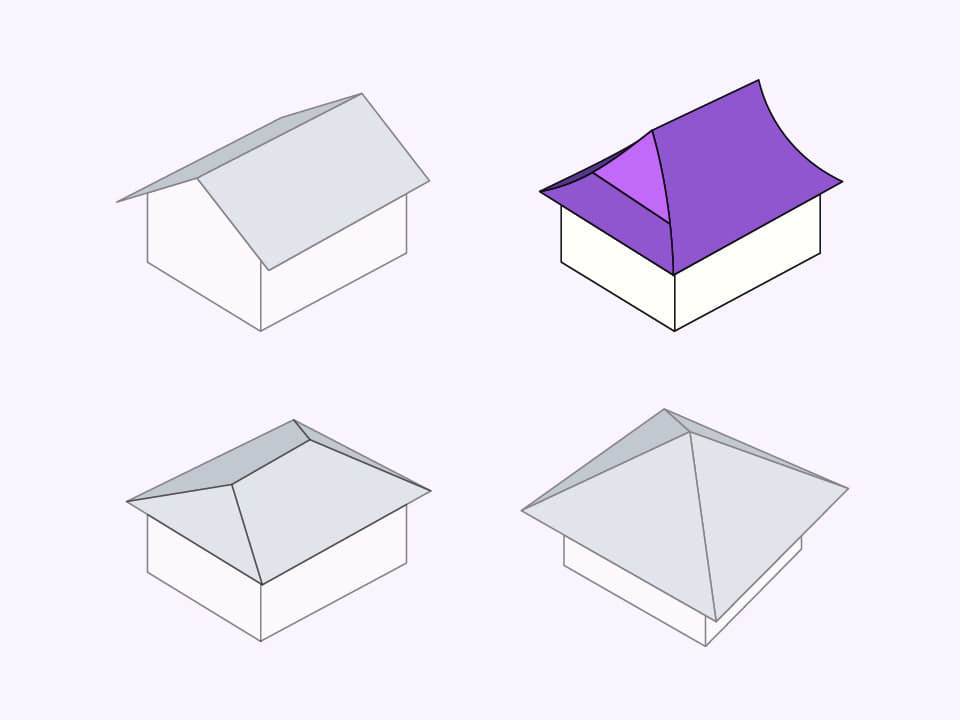
hip-and-gable style (irimoya-zukuri)
A gable (kirizuma-zukuri) is right above the core and a hipped roof are attached to the four sides on the lower part of the gable. (hip-and-gable roof construction)
Share on Social Media


Please respond to our questionnaire.
Estimated length: 30 seconds