Important Cultural Property
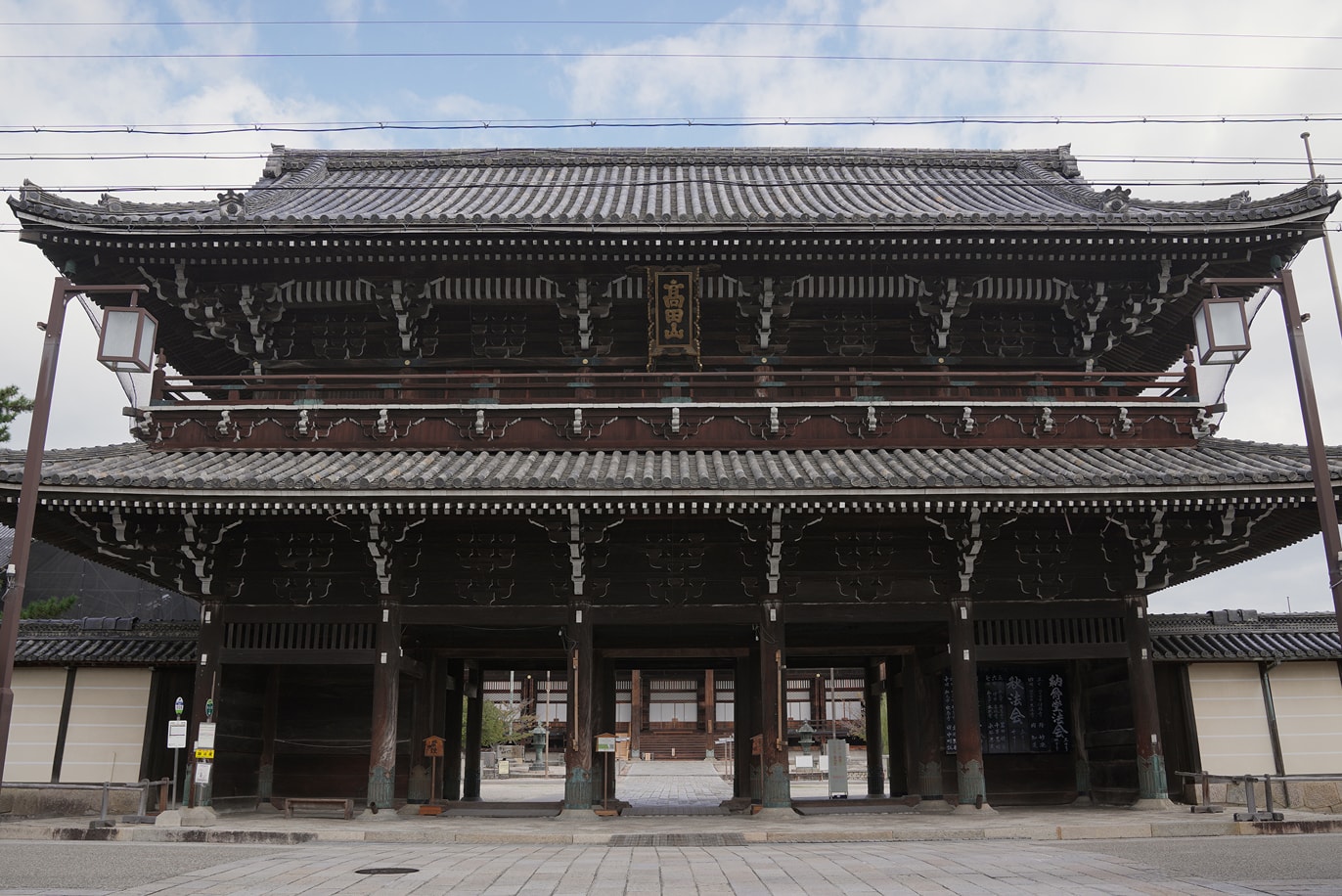
Sanmon Gate
1704 (the middle of the Edo Period)
Two-story, double-roofed gate: five bays wide with three doors
hip-and-gable style (irimoya-zukuri)
tiled roof (hongawarabuki)
Three-bay projection on the north side
This article can be read in about 2 minutes.
The moment you pass through
the gate of faith
A sanmon gate is the main entrance to the temple and marks the separation of sacred temple grounds from the profane world outside. The enclosed upper level of Senjuji’s sanmon contains a space for worship, and images of Shakyamuni(the historical Buddha) and two attendants are enshrined there.
The sanmon at Senjuji is built in the most formal style for such gates, complementing the Mieidō directly across the courtyard. The gate structure is held up by 5 rows of 6 pillars, creating five open bays. A “bay” refers to the width between the main columns, a space of slightly less than 2 meters. The three bays in the middle of the gate each have a set of thick, wooden double doors.
The lower level of the sanmon supports the upper portion with bracket arms inserted through the main pillars, rather than a bearing block on top of the pillars. It is similar to the sanmon at Tōfukuji Temple in Kyoto (built in 1425), but the extension of the eaves over the three central bays on the interior side of the gate is unique to Senjuji.
Construction began on the gate in 1693 and was finished in 1704. These dates are known from inscriptions on roof tiles discovered during a three-year-long renovation that began in 1993. The gate is 20 meters across, 9 meters deep, and 15.5 meters high.
Prince Sōshin
Sōshin (1744–1824) was an imperial prince during the late Edo period (1603–1867).
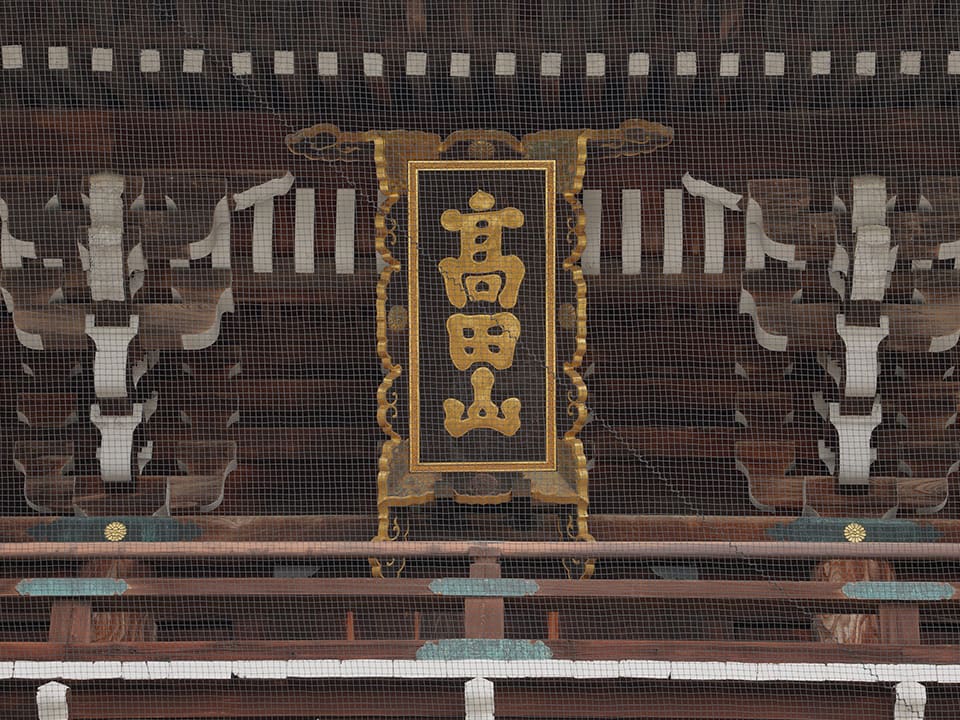
Mt. Takada plaque
Fugen (Samantabhadra)
Monju (Manjushri)
Shaka Nyorai (Shakyamuni Buddha)
dais
A platform used for enshrining statues of Buddhas and other figures.
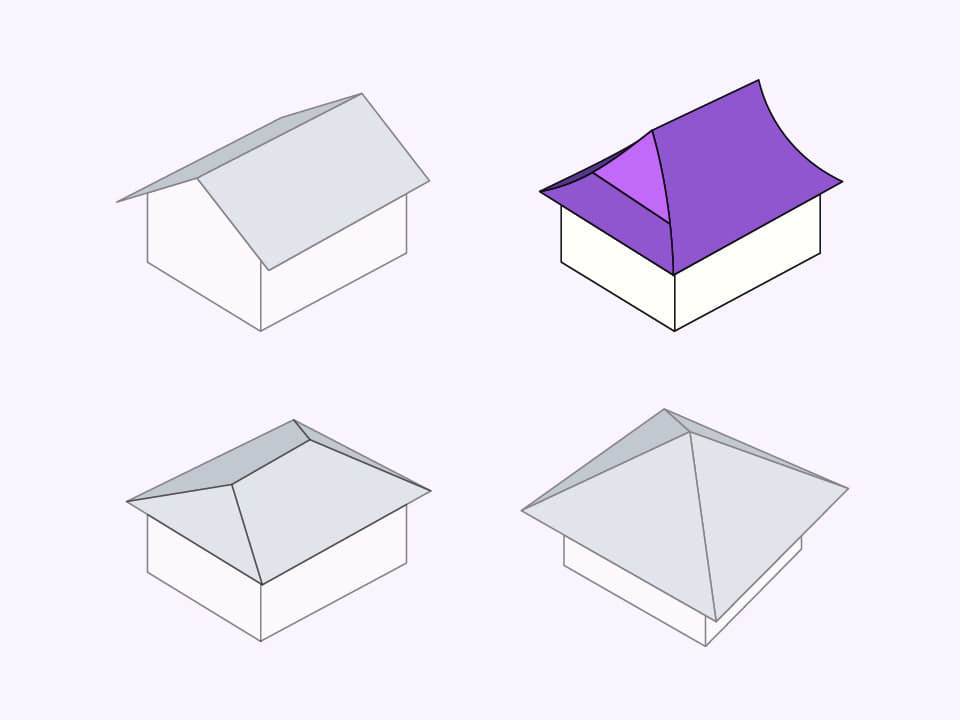
hip-and-gable style (irimoya-zukuri)
A gable (kirizuma-zukuri) is right above the core and a hipped roof are attached to the four sides on the lower part of the gable. (hip-and-gable roof construction)
Share on Social Media


Please respond to our questionnaire.
Estimated length: 30 seconds