Important Cultural Property
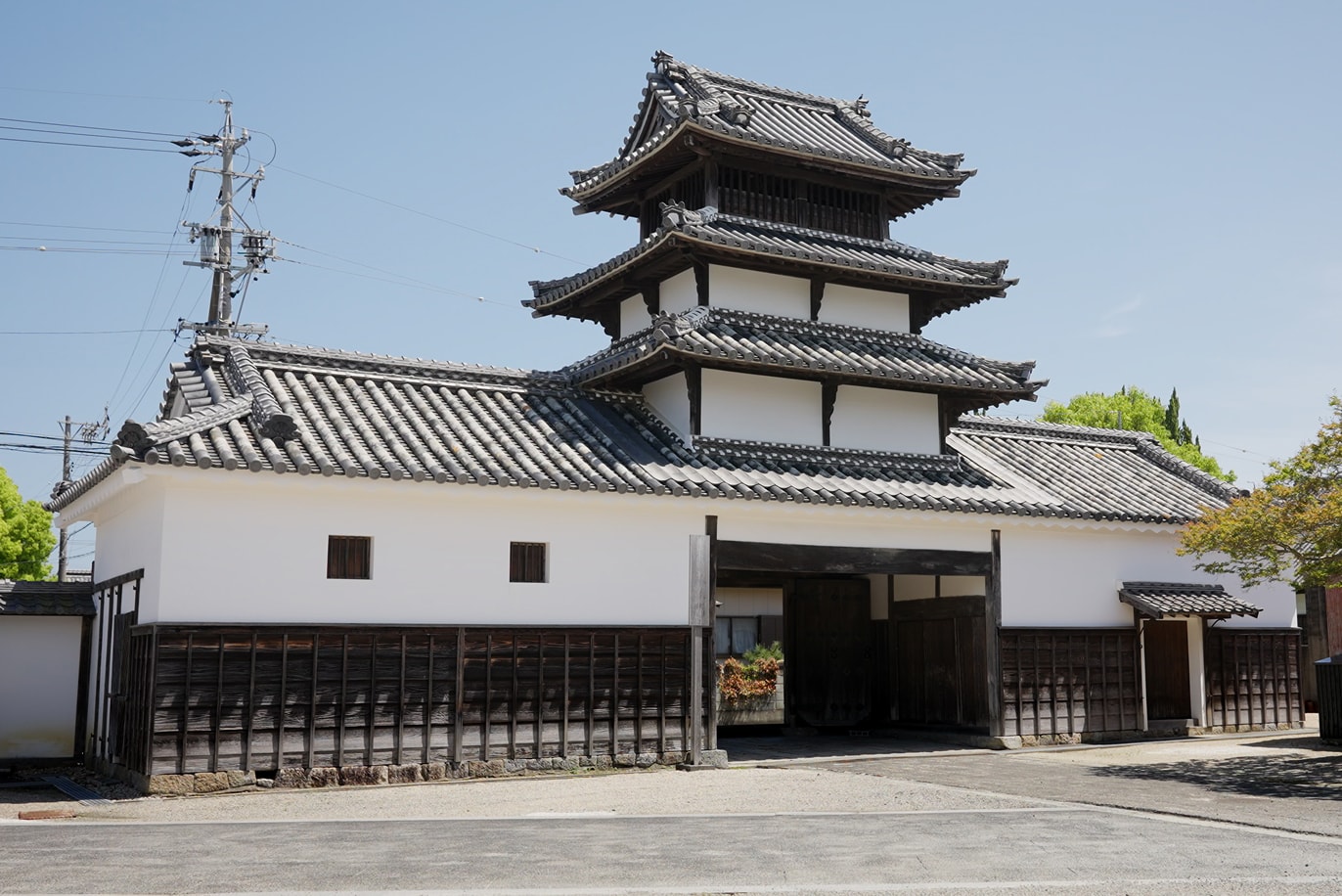
Taikomon Gate
1861 (the end of the Edo Period)
Length: 19.9 m
Width: 5.5 m
Four tiers
hip-and-gable style (irimoya-zukuri)
tiled roof (hongawarabuki)
This article can be read in about 2 minutes.
The pulse of history
marking the hours
The three-story tower on top of this gate houses a large taiko drum. On either side of the gate are rooms that were used for storage and by the gatekeepers on watch. The drum in the tower was used by the gatekeepers to sound the time, much like a church bell in medieval Europe.
Before Japan adopted Western timekeeping practices in 1872, Japanese people used temporal hours. Daytime and nighttime were each divided into 6 hours, which varied in length with the seasons. Every hour, the drum keeper would climb up into the tower and strike the drum to notify the temple monks and townsfolk of the time.
Although no one knows exactly when this tower was built or first used for timekeeping, records show that it was in use as early as 1712. An illustration from 1762 shows the gate with a single-story tower, and there are records from 1861 that include a proposal to increase the turret to three levels. It is rare for a drum tower such as this to be three stories tall.
The tower is still used, but only once a year. A drum is sounded one hour before the Hōonkō, the annual memorial observance for Shinran on the anniversary of his death. Although the original taiko drum has been replaced with a new one, the old timekeeping drum has been preserved. According to inscriptions inside the drum, it was made in 1729 and has been repaired three times. It is a valuable keepsake of the temple.
old odaiko drum
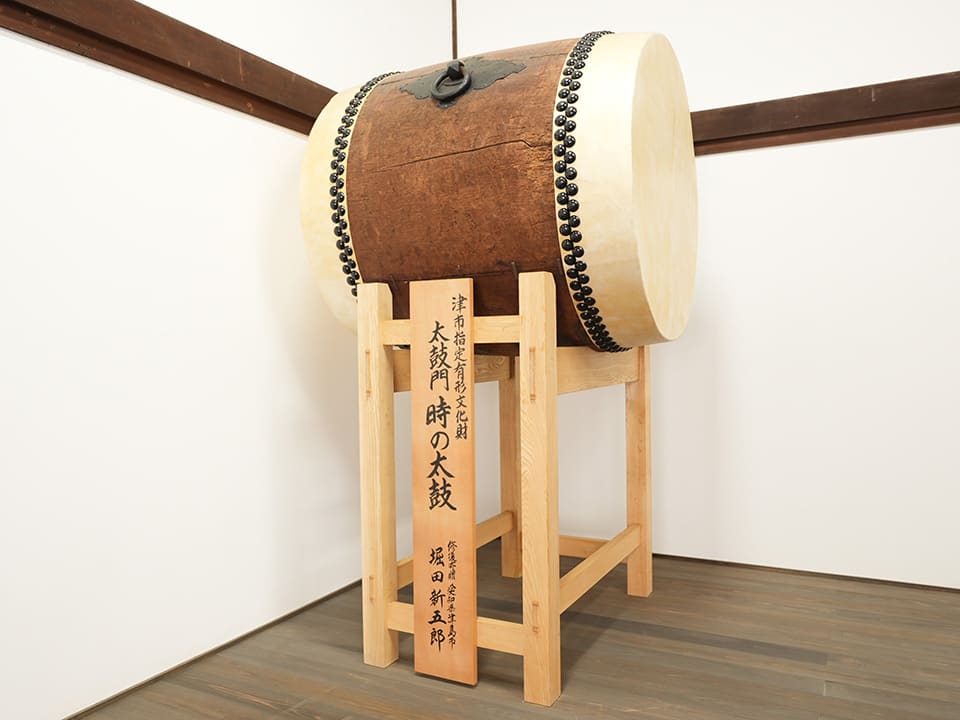
odaiko drum
nagaya-mon (gate)
This was a type of gate found in Buddhist temples, government buildings, and samurai houses in Japan’s early modern period. The gate served both practical and formal purposes and often had a nagaya longhouse that contained servants’ quarters on both sides of the gate.
Share on Social Media


Please respond to our questionnaire.
Estimated length: 30 seconds